
本サイトは広告を含みます
Small, Steady Steps Are the Giant Leaps Toward Your Dreams
When we want to achieve something, we tend to focus only on the distant horizon. But isn’t the really hard part deciding “what do I do right now”?
In the previous column Finding yourself is up to you Vol.1, I shared the idea of “just move to make it the right answer.” But right after that, many people get stuck.
They ask: “Okay, but what exactly should I start with?”
You have a goal. You’re putting in effort. But even so, there’s no guarantee your actions are actually leading you toward that goal. It’s like walking without a map—that persistent anxiety follows you everywhere.
That’s exactly why we need “reverse thinking.”
Set your goal or destination first, then work backward from that future vision. When you do that, the step you need to take right now becomes crystal clear.
In this article, I want to share how I put this reverse thinking into practice and turned small steps into concrete action.
目次
The “Small Gathering” I Chose Through Reverse Thinking
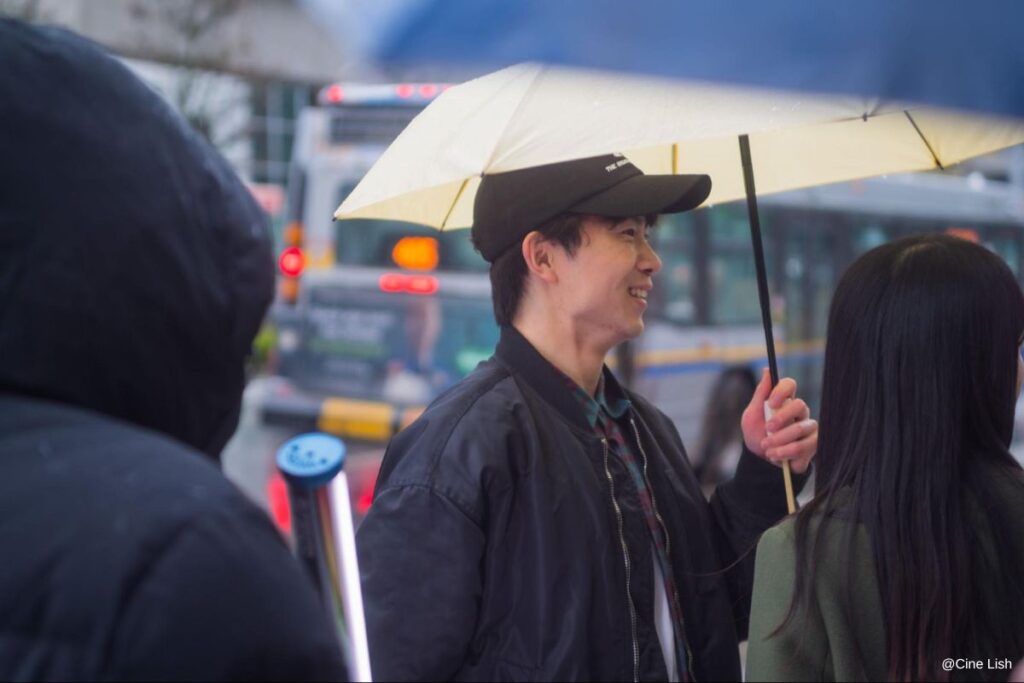
“Before my visa expires, I want to create something here in Vancouver.”
This was a goal I had pretty early after coming to Canada. Initially, I was thinking about a short film, but it wasn’t just about making something for the sake of it.
I had one condition I wouldn’t compromise on.
“I don’t want to just throw strangers together to make something. I want to create with people who’ve supported me, or friends I genuinely connect with.”
So I asked myself:
“How many people do I actually have right now that I’d want to create something with?”
That question launched my reverse thinking process.
Before jumping into making a project, wasn’t there something I needed to do first?
“Meet people I can actually create with. Build relationships. And create a space where like-minded people can naturally gather.”
As I’ve mentioned before, what I felt in Vancouver was how disconnected Japanese actors and film people were from each other. That’s why I thought we needed “a place where people could casually meet up, even if just loosely.”。
The conclusion was simple:
“Then I should just create it myself, right?” “Before making a project, building relationships with the people I want to work with has to come first.”
So I decided to start by hosting a small workshop.
What I Discovered by Trying: Things I Could Do Without Forcing Myself
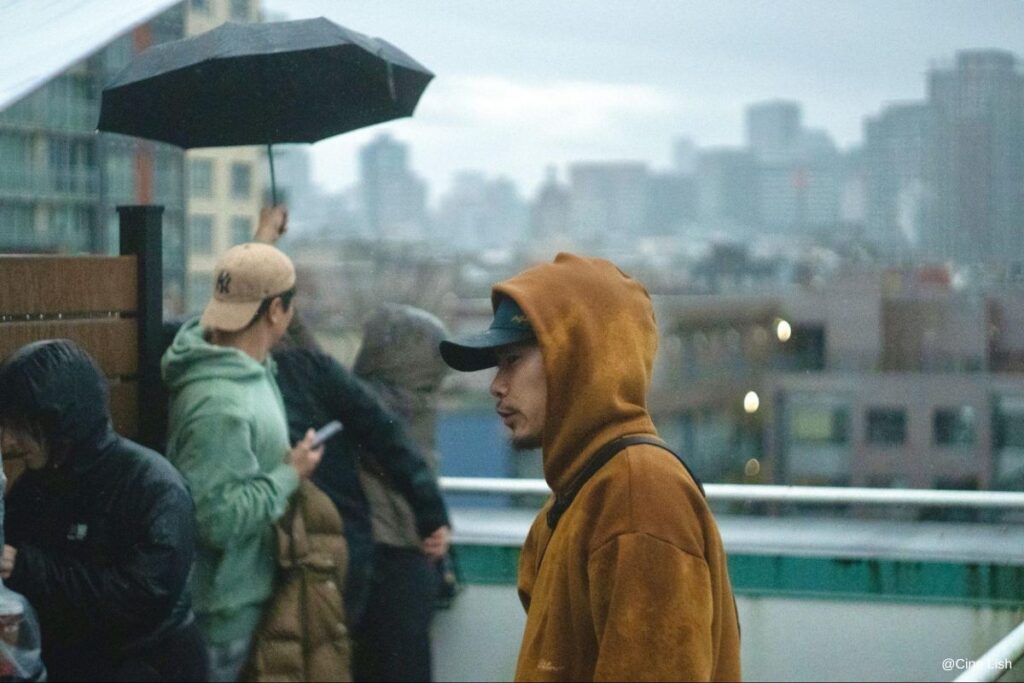
One day, I casually mentioned on my Instagram Story: “Even if our English isn’t fluent, it would be great if we could gather in Japanese and do something together.” A film director who saw that reached out: “Want to try running an acting workshop?”
“If a place like that really existed, I’d be the first one to go.”
If that’s how I felt, then I should plan it myself and be part of it too. I decided to try turning that small wish into reality.
But once I decided to host it, people don’t just magically show up. I didn’t do any big promotional campaigns—I reached out to people one by one through social media and invited them directly when we met in person. It was groundwork, but strangely, it never felt like a burden. I think that’s because this was a space I genuinely wanted from the bottom of my heart.
If someone had asked me to “do this” as a job, I might have hated it. But because it was something I truly felt “I wish there was a place like this,” I could take action. Same thing when I asked people to be instructors.
In those moments, what comes up first isn’t anxiety—it’s feelings like “I’m happy” and “I’m grateful.”
And through this process, I quietly started feeling something:
“Maybe I’m actually good at going out and meeting people.”
Back then, what would have made me happiest was this: if the people who came to the workshop connected with each other and said, “Let’s do something together next time”—that would be the best outcome.
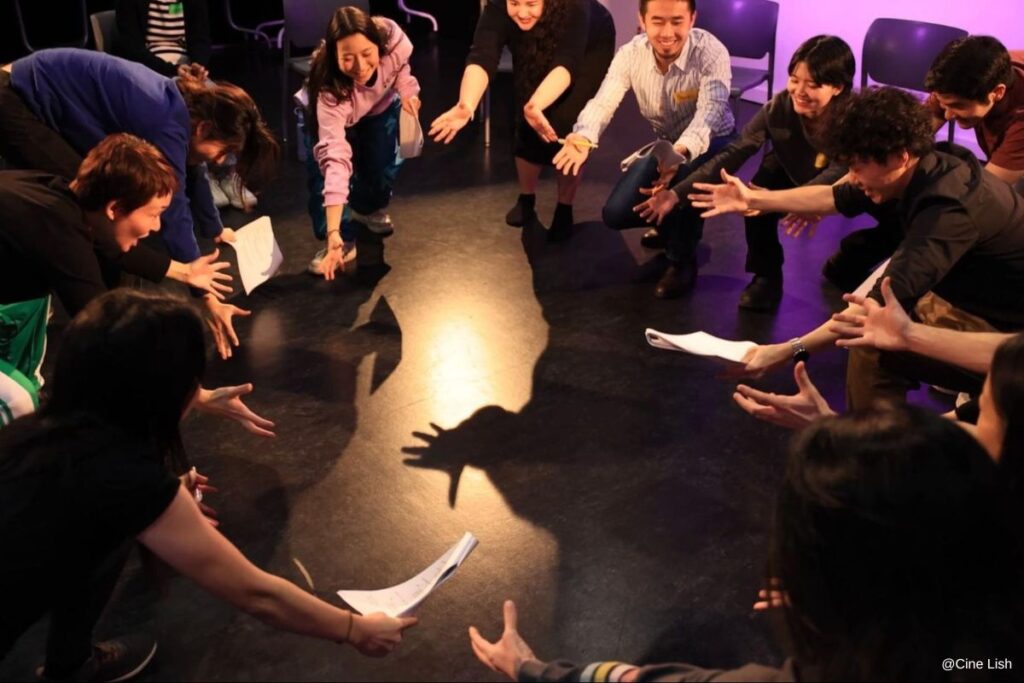
In the end, I was able to host several workshops.
“Last time was so much fun, so I came again.” “I’m really glad there’s a place like this.”—Hearing those words from participants was something I was truly grateful for.
What was even more interesting was that someone who first came as a participant said, “Next time, I’ll help out as an instructor.”
In that moment, I realized something:
“What I really wanted wasn’t a ‘one-time event that ends after we meet once,’ but to create ‘a place where people want to meet again.'”
And this small experience naturally became the foundation for the next step.
“Steady, Small Steps” Aren’t About Suffering Through It
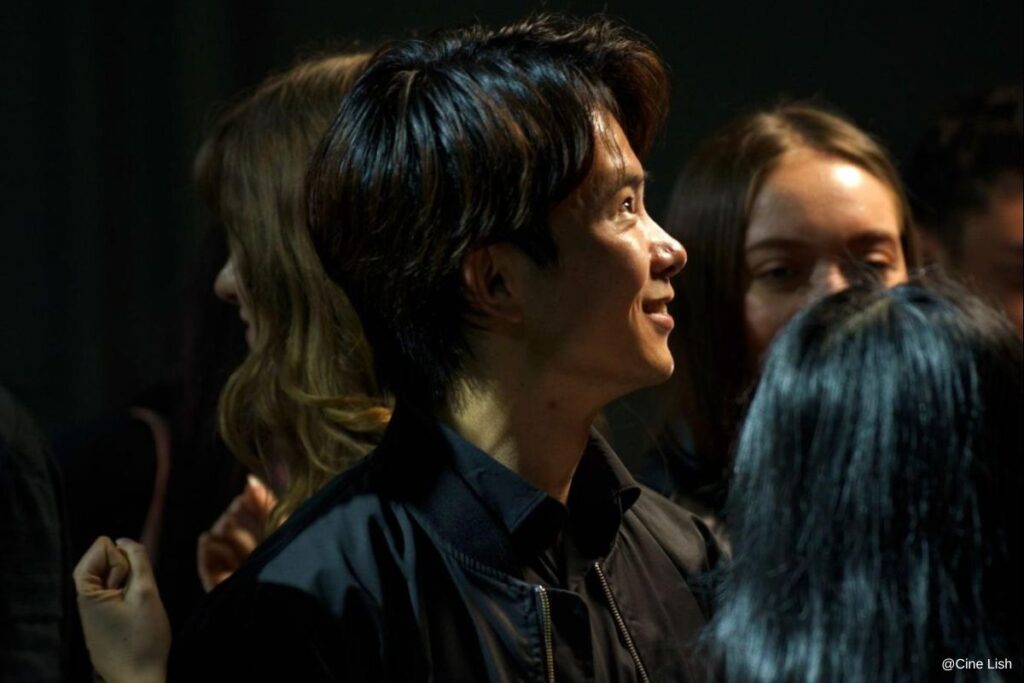
People often say “steady accumulation is important.”
But what I actually learned from hosting workshops was this: “steady work” might not actually be something you have to “grit your teeth and endure.”
Sending individual DMs. Inviting people one-on-one with “you should come.” Thinking about content and flow so participants would enjoy themselves…
Each of these tasks might look mundane from the outside, but for me, they were “time I could keep doing without it feeling painful.”
What I especially loved was seeing the people who gathered there genuinely enjoying themselves.
The scene after workshops where everyone shared their thoughts. Voices saying “Please do this again” and “I want to join next time.”
Those moments made me happy, and that became my energy.
The Conviction That Reverse Thinking Brought
The reason I’ve been able to keep going this far is definitely because I had this concept of “reverse thinking.”
If I had just desperately thought “I want to make something in Vancouver,” I probably wouldn’t have known where to start and would have ended up doing nothing. Without this “reverse thinking,” I never would have taken the small step of hosting a workshop.
“If I keep doing this, someday it’ll connect to my big dream.”
Because I had that conviction, I could keep doing the unglamorous work without hesitation.
No matter how logically sound your strategy is, it’s meaningless if you can’t sustain it.
If it’s something that feels like “mundane but not painful to do,” and after it’s over you think “I’d actually like to do that again”—then that’s already a legitimate first step toward your dream.
For me, that first step wasn’t “the project itself,” but “creating a small space where everyone could gather.”
To the version of myself who chose that step back then, my current self can honestly say:
“It wasn’t flashy, but that choice wasn’t wrong.”
Because of this reverse thinking and accumulation of small experiments, we were able to reach one big challenge.
That was the stage production STAND, which ended up drawing 300 people.
Small, steady steps really do become giant leaps toward your dreams.
I was about to learn what those words truly mean in the days ahead.
1
2


コメント