
- Yutaro Narihara Column Vol. 10 “A New Way to Connect Supporters and Students—and What I Learned from the Two Students Who Took Part”
- Taking On a New Way to Reach Audiences: The Student Access Project
- What Did We Learn from 2 Out of 50?
- What the Two Students and Their Family Taught Me
- Thinking About How to Bring a Work to Its Audience
Yutaro Narihara Column Vol. 10
“A New Way to Connect Supporters and Students—and What I Learned from the Two Students Who Took Part”

October flew by with the stage production Red Demon.
I joined the production as a Community Ambassador and had been preparing for the performances for several months. Then the run began, and as I dealt with whatever was in front of me, the month was over before I knew it.
Amid those hectic days, there is one sight I still can’t forget.
A family who came to see the play.
I don’t know the right way to bring a work to its audience. The initiative we tried this time isn’t something I can present as a success story either.
Still, meeting that family made me want to think not only about creating a work, but also about what comes after it.
Taking On a New Way to Reach Audiences: The Student Access Project
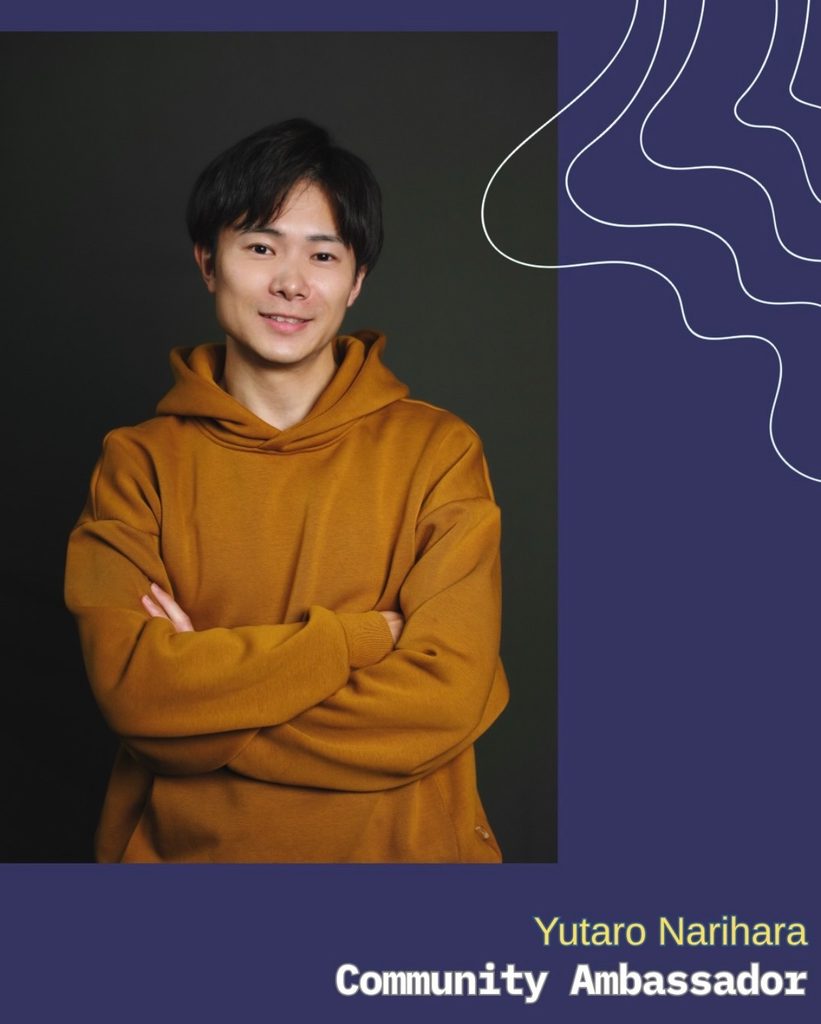
For Red Demon, I had the opportunity to take on various initiatives, including community outreach and the Lantern Campaign.
One of them was the Student Access Project.
The project invited students between the ages of 12 and 18 who were studying Japanese or Spanish in the Greater Vancouver area, as well as students from abroad who were learning English, to see Red Demon without having to cover the cost themselves.
That didn’t mean the tickets themselves were free. The students didn’t pay for them. Instead, we sought supporters who would cover the ticket costs and connected those supporters with the students.
I had been thinking for a while that selling tickets one by one directly to the people attending wasn’t the only way to get them into people’s hands.
One supporter could purchase multiple tickets, which could then go to people who were interested in theatre but couldn’t easily attend. I thought that could also be one way of supporting a production.
For a family of four, even a child’s ticket costs around $30. Including the adults, tickets alone could total about $150. Once transportation and food are added, it isn’t an amount every family can casually spend.
This time, there was also particular meaning in staging a production in Japanese and Spanish in Vancouver. For local students learning Japanese or Spanish, as well as students living in Vancouver while learning English, it could be an opportunity to experience language and expression in a different way.
With that in mind, we began with the goal of giving 50 students the opportunity to see the play.
What Did We Learn from 2 Out of 50?
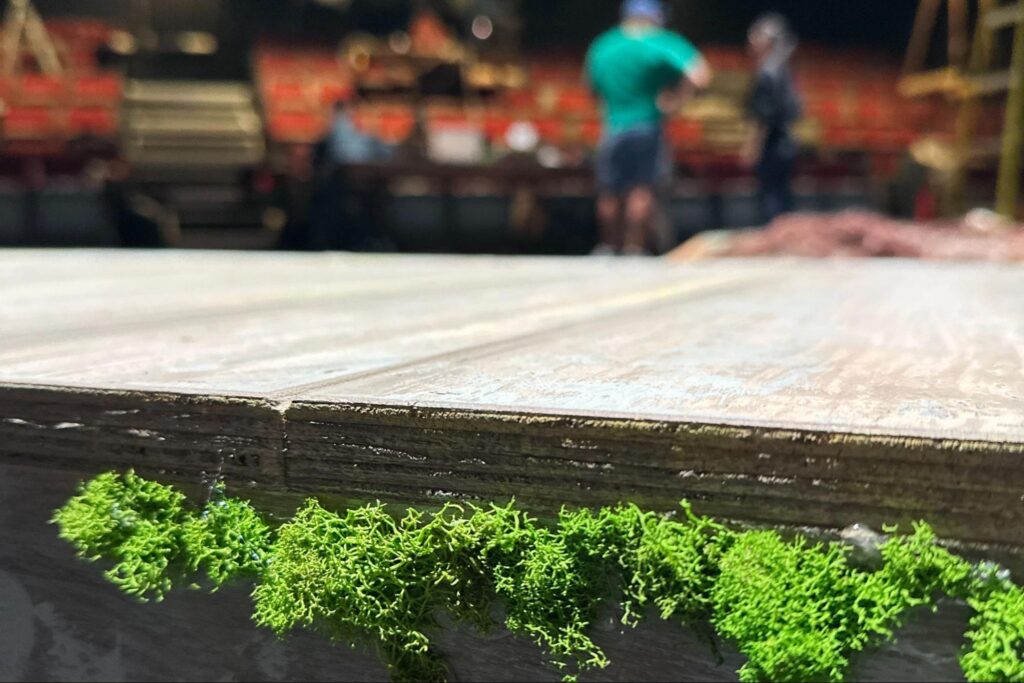
To be direct, only two students took part through the project.
Our goal was 50, so looking only at the numbers, we didn’t come close. There was plenty to improve, including how we explained the project and approached schools.
To reach students, we needed help from their teachers. However, September was the beginning of a new school year and already a busy time for them. Asking teachers to explain a new project to students and parents and gather interested participants would only add to their workload.
This kind of project may also have been unfamiliar to the schools. I could have done much more, such as preparing clearer materials or visiting the schools to explain the project in person.
Simply saying, “You can see the play for free,” wasn’t enough to reach the people who might need the opportunity.
No matter how worthwhile we believe an initiative is, it won’t reach anyone if its purpose isn’t communicated clearly. I realized that creating a project and actually getting it to people are two different things.
Still, because those two students came, I learned that there are people who need opportunities like this. What we lacked wasn’t the people—it was the way to connect the project with them.
What the Two Students and Their Family Taught Me
The two students who took part are studying acting at school.
When I greeted them after the performance, their eyes lit up as they shared their thoughts with me.
Their response went far beyond simply saying, “It was good.” They closely analyzed each character and applauded not only the performers, but also the backstage crew who supported the production.
Of course, I was happy to hear what they thought. More than that, I can’t forget the time they spent talking so passionately, using their expressions and gestures to explain what they had experienced.
The following day, I received an email from their parent.
The email said how happy the family was to have been able to see the play together. It also said that the children had continued talking excitedly about the performance during the drive home.
Reading that email, I realized that the reactions I heard after the show hadn’t ended in that moment. Even after leaving the theatre, they were still talking about the play as a family.
When I learned that, I felt from the bottom of my heart that doing this project had been worthwhile.
Thinking About How to Bring a Work to Its Audience
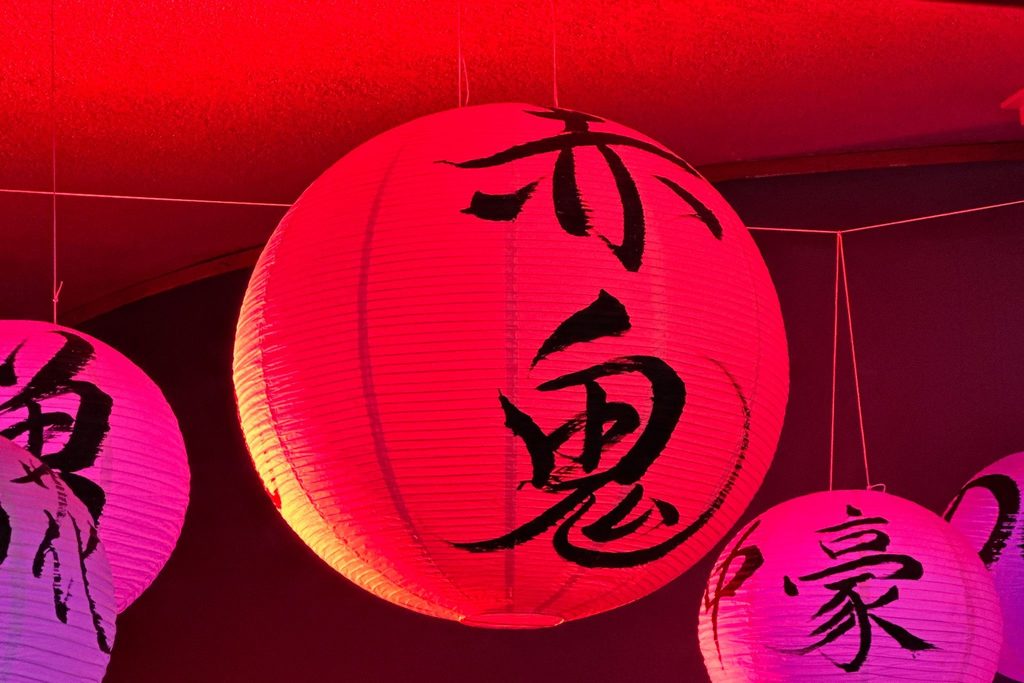
Seeing the two students and their family strengthened a thought I had already been carrying vaguely: I want to think about what happens after a work is created.
First, the most important thing is to create something we genuinely want people to see.
But no matter how good the work is, it won’t necessarily reach the people we want to see it unless we also think about who we want to reach and how to reach them.
The Student Access Project is one possible way. With someone’s support, we can give students the opportunity to attend a performance. We can also share information through schools and community organizations. There must be many other ways to bring a work to its audience.
This project isn’t something I can present as a success story. I also can’t make an initiative like this happen by myself. It requires building trust over time with schools, teachers, and members of the community.
Beyond the Student Access Project, what other ways are there to bring a work to people?
I want to keep exploring that question with the help of many others and create more opportunities for even one more person to experience the work.
2

コメント