
本サイトは広告を含みます
Yutaro Narihara Column Vol. 9 “Are Goals Meant to Change?”
Let me start with a question: Do you have a goal?
It could be something you only have a vague picture of, something you want to accomplish by the time you’re 30 or 40, or a goal you set at the beginning of this year that you want to achieve before the year ends.
And is that goal still the same as when you first set it?
First of all, I believe it’s better to set goals. The reason is simple: they give you a deadline.
If you only say, “I want to do it someday,” you can let as much time pass as you want. But once you decide when you’re going to do it, what you need to do now becomes clearer.
So, once we set a goal, is it supposed to remain unchanged?
When a goal changes along the way, it can look like we weren’t able to stick to what we originally decided. But once we decide on something, are we really not allowed to change it?
目次
Setting a Goal Determines How You Use Your Time
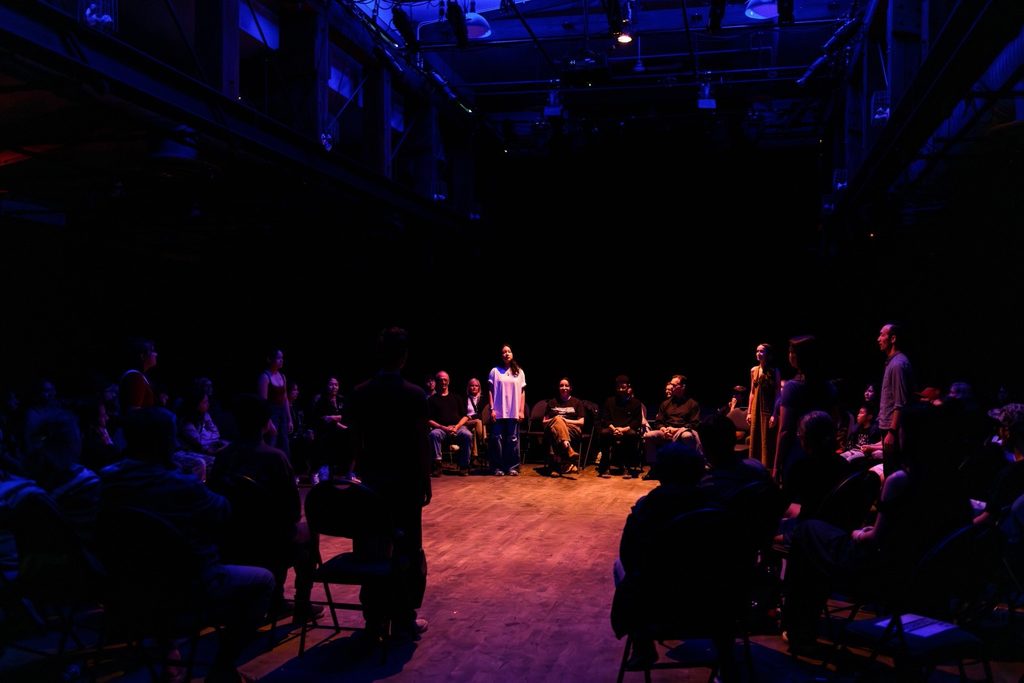
When I first came to Vancouver, my visa was only valid for one year.
So I set a goal: “Within this year, I’m going to make a short film with the people I meet in Vancouver.” I was developing a story about a young man who had arrived in a new country as an immigrant—something that reflected my own situation at the time.
When you set a goal with a deadline, the actions you need to take to get there start to become visible.
Who do I need to meet? What do I need to prepare? When do I need to start moving? Setting that goal gradually made it clearer how I should use my limited year.
Of course, we can’t spend time on everything in front of us. If I prioritized what I needed to make the film, other things had to wait.
Setting a goal wasn’t only about deciding what to do. It was also about deciding what not to do right now and what to put off until later.
And the value wasn’t only in whether I achieved the goal. There was also meaning in thinking about how to use my time and actually starting to move toward it.
That’s why I began setting goals.
Losing a Goal Isn’t Always Due to a Lack of Effort
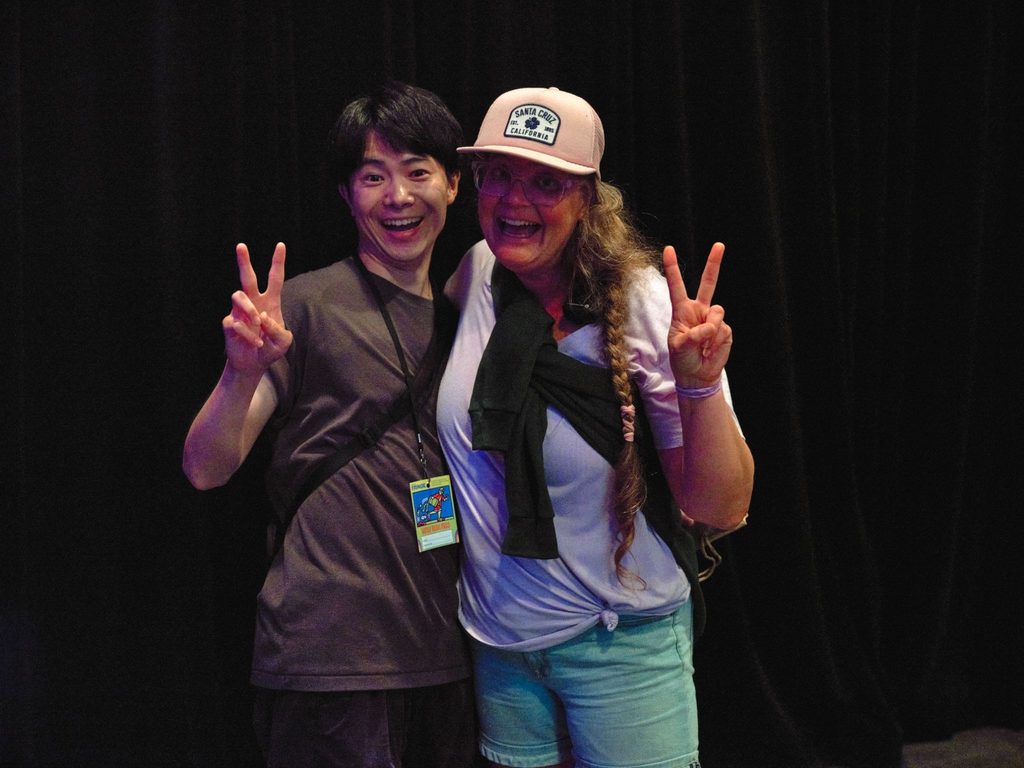
At the same time, setting a goal doesn’t guarantee that you’ll achieve it.
No matter how much you prepare, circumstances beyond your control can suddenly close the path you were trying to follow.
During the recent pandemic, some people lost the jobs they had been doing, some could no longer study abroad, and others lost the plans they had made for their future. It wasn’t because they lacked determination or effort. Sometimes, circumstances we can’t control force us to change our goals.
The bigger the goal, the more painful it can be to lose it.
When you’ve spent a long time preparing and imagining who you’ll be after achieving it, suddenly losing that possibility can leave you unsure of what to aim for next.
That’s why I understand why some people choose not to set goals in the first place. If you don’t allow yourself to expect anything, you won’t have to feel the pain of losing it.
Recently, whenever I set a goal, I’ve also started thinking about what I would do if it became impossible to achieve.
If acting work disappeared, what else could I do? If I ended up returning to Japan, what could I continue doing? If someone I had been moving forward with chose a different path, could I create a way to keep going on my own?
Imagining the worst-case scenario doesn’t mean doubting yourself from the beginning. I see it as preparation—so that even if circumstances change and I lose a goal, I don’t become unable to move forward.
Instead of blaming everything on my own lack of effort, I want to be ready to choose my next move based on the situation in front of me. I think that’s also part of having a goal.
When You Start Moving, You See the Next Goal
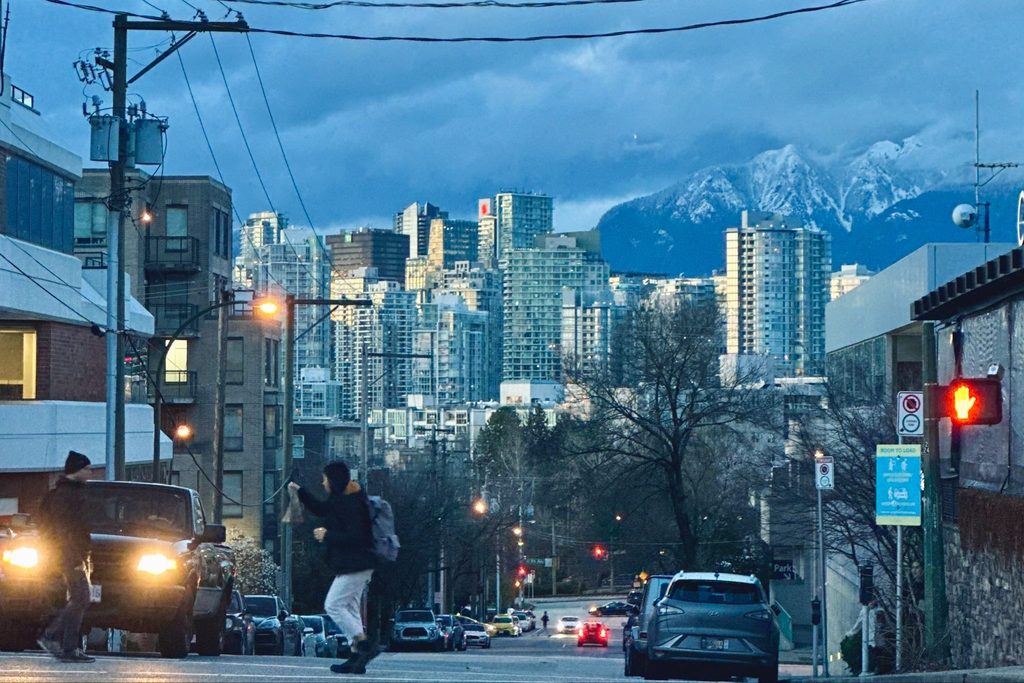
External circumstances aren’t the only reason goals change.
Sometimes, taking action creates a new goal that you couldn’t see at the beginning.
As I mentioned earlier, my original goal was to make a short film within one year. If there weren’t many projects or opportunities for Japanese performers, then we could create one ourselves. And I wanted to act in it too. That was where it started.
But as I met more people and continued moving forward, someone invited me to create a stage production. My visa was also extended, and “making a stage production” became a new goal.
That didn’t mean I had given up on film.
An option I couldn’t see when I first arrived in Vancouver appeared because I had gone out, met people, and taken action. And I wanted to take on that opportunity too.
More recently, I’ve had more opportunities to participate in projects connected to Japan and to work as an actor. As that happened, my original reason for making a film—“to create a place where I could perform”—also began to change.
Now, I don’t simply want to finish a film. I want to act in it, develop the project from the preparation stage with people I genuinely want to create with, and take responsibility for getting the finished film in front of as many people as possible.
Looking back, my goal didn’t change into something completely different. What I wanted from the beginning became more specific as real experiences and new encounters were added to it.
Rather than saying it changed, it might be more accurate to say it became more refined.
Goals Change After You Start Moving
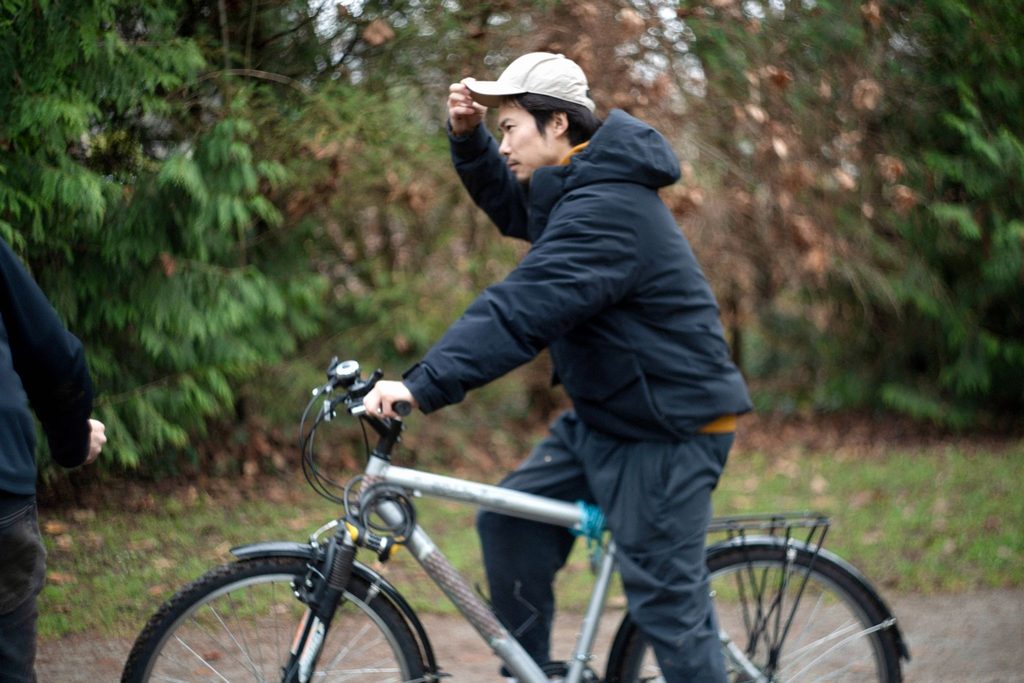
If you only think about a goal in your head, you won’t know whether it truly suits you.
Sometimes, you try something and realize, “This isn’t right for me.” When you think about the time and effort you’ve already invested, that can be difficult to admit. Even so, discovering what doesn’t suit you can also help you discover a new side of yourself.
On the other hand, achieving one goal can make you want to aim even further. New experiences and encounters are added to what you originally wanted, and the next goal starts to come into view.
So even if what you’re aiming for changes, that doesn’t mean you’re lost.
It’s because you moved toward your original goal that you can begin to see options that weren’t visible before and discover where you want to go next.
Even if a new goal eventually appears, it doesn’t mean your original choice was wrong. A goal isn’t complete the moment you set it.
By actually moving toward it, the goal changes into a form that suits you and gradually becomes more specific.
So why do we set goals if they’re going to change?
The answer I can give right now is this:
Not to decide my future, but to move who I am today.
1
2



コメント